Study in USA from Pakistan | Admissions & F-1 Visa Guidance
Unlock World-Class Education Opportunities in the United States
The United States offers Pakistani students a broad range of accredited universities, colleges and degree pathways across undergraduate, master’s and doctoral study. With flexible programme choices, research opportunities and strong industry connections, the USA can suit students with very different academic backgrounds and budgets. Because admission, testing and funding requirements vary widely by institution, careful university shortlisting is essential.
Abroad Connection supports students in across Pakistan with profile assessment, US university shortlisting, application preparation, scholarship guidance, I-20 and SEVIS preparation, F-1 visa documentation and interview guidance. We focus on realistic options based on your academics, English score, budget and career goals.
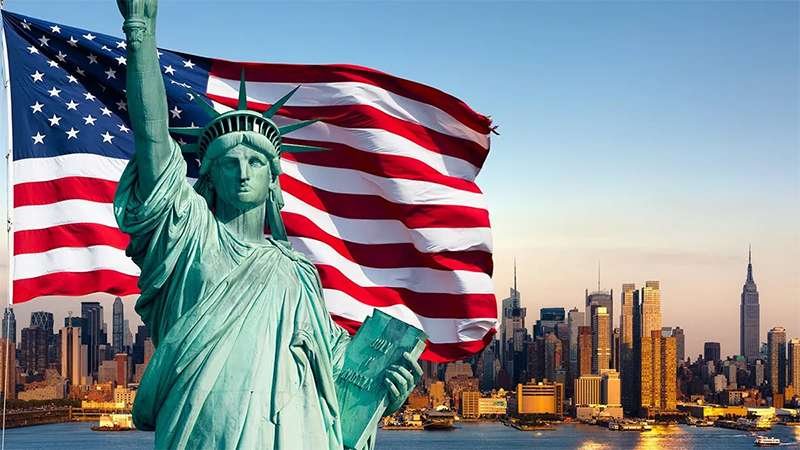
Study in the USA from Pakistan
The United States offers thousands of higher-education options across universities, colleges and specialist institutions. Pakistani students can choose from undergraduate, graduate and doctoral programmes, but admission, cost and visa requirements vary considerably by institution.
Why Study in the USA?
- Large choice of accredited institutions and academic programmes
- Flexible study pathways and broad subject combinations
- Strong research, technology and innovation ecosystem
- Institution-specific scholarships and financial aid opportunities
Available Study Levels
- Associate / Community College
- Bachelor’s / Undergraduate
- Master’s / Graduate
- PhD / Doctoral research
Major US Intakes
Fall (August/September) is the main intake at many US institutions and often offers the widest programme choice. Spring (January) is also common, while some institutions offer summer starts. Deadlines vary widely and can be many months before classes begin.
Admission Requirements for Pakistani Students
Requirements depend on the university and programme. Common items include academic transcripts and certificates, English-language evidence, essays or statement of purpose, recommendation letters, a CV for some graduate programmes, and standardised tests where required by the institution.
IELTS, TOEFL & English Requirements
US institutions set their own English-language requirements. Many accept IELTS Academic, TOEFL iBT or other approved tests, and some may offer waivers based on prior education. Always verify the exact requirement on the institution’s official admissions page.
Tuition & Study Costs
There is no single national tuition rate in the United States. EducationUSA advises students to compare each institution’s published tuition, fees and living costs because they vary substantially by institution type and location. Community colleges can sometimes provide a lower-cost starting pathway than four-year institutions.
Living Costs & Financial Planning
Living costs depend heavily on city, housing and lifestyle. EducationUSA recommends planning for tuition, fees and living expenses together and starting financial planning early. Your school will typically require evidence that you can meet expected education and living costs before issuing the Form I-20.
Scholarships & Financial Aid
US institutions offer merit scholarships, need-based aid and other awards, but availability and eligibility differ by school. EducationUSA maintains a database of financial-aid opportunities. Abroad Connection can help shortlist realistic options, but no scholarship outcome can be guaranteed.
F-1 Student Visa Process
- Receive admission from a SEVP-approved school
- Receive and review your Form I-20
- Pay the required SEVIS fee
- Complete the DS-160 nonimmigrant visa application
- Schedule the visa appointment where required
- Attend the interview with your academic and financial documents
Commonly Required Visa Documents
- Valid passport
- DS-160 confirmation page
- Form I-20
- Visa fee receipt where applicable
- Academic transcripts, diplomas and test results
- Evidence of funding for education, living and travel costs
- Additional documents requested by the US Embassy or Consulate
Suggested Application Timeline
EducationUSA recommends beginning undergraduate research around 12–18 months before the academic year you want to enter. Build a university list, prepare tests and essays, submit applications, review funding, secure the I-20, and then complete the visa process.
Popular Fields of Study
- Computer Science, AI & Data Science
- Engineering & Technology
- Business, Finance & Analytics
- Health, Biotechnology & Life Sciences
- Social Sciences, Media & Design
Universities We Assist With
We help students identify suitable accredited US institutions based on academic fit, budget, programme goals and intake availability. We only describe an institution as an official partner where a formal relationship actually exists.
Why Apply Through Abroad Connection?
- Profile evaluation and realistic university shortlisting
- Application and document preparation guidance
- Scholarship and funding opportunity screening
- I-20 and F-1 visa preparation guidance
- In-office support and online support across Pakistan
Frequently Asked Questions
Can Pakistani students study in the USA?
Yes. Pakistani students can apply to US institutions and then apply for the appropriate student visa after meeting admission and financial requirements.
Do all US universities require SAT or GRE?
No. Testing policies differ by institution and programme. Check each university’s current admissions requirements before deciding whether a test is needed.
Which intake is best for the USA?
Fall generally offers the broadest selection, but Spring can also be a good option for programmes that accept mid-year entry.
Book a USA Profile Assessment
Visit Abroad Connection or contact us online to review your academic profile, budget, preferred field and US study options.